
Your Guide to Safe and Smart Online Gambling in 2025
Online gambling is a direct, digital gateway to real-money betting, letting you play casino games or place wagers from any device with an internet connection. You simply create an account, deposit funds, and choose your game—slots, poker, or sports betting—with outcomes driven by random number generators or live events. The key benefit is convenience and flexibility, allowing you to set your own pace and bet amounts from home, which can be a comfortable way to enjoy a hobby without travel or crowds. Responsible play means setting strict time and money limits to keep the experience enjoyable rather than stressful, so you always stay in control of your choices.
What Exactly Is Online Gambling and How Does It Work?
Online gambling is the act of wagering real money on games of chance or skill via a web-based platform, accessed through a browser or dedicated app. You fund an account via card, e-wallet, or crypto, and the site converts that deposit into playable credits. Every action—from a spin to a hand of cards—is processed by a remote server using a Random Number Generator (RNG) to ensure unpredictable outcomes. The house edge is mathematically built into each game’s payout percentage, so over time the platform retains a fixed profit margin. You place a wager, the software instantly settles it against the RNG result, and winnings are credited to your balance. Withdrawal requests then transfer that balance back to your chosen payment method, subject to verification.
Your actual odds are determined before you click—never by in-game skill, but by the pre-set return-to-player (RTP) rate.
The entire loop—deposit, bet, resolve, cash out—runs in seconds, creating a frictionless cycle designed for rapid repeat play.
The Core Mechanics: Random Number Generators, Odds, and Payout Percentages

At the heart of every online slot, roulette wheel, or card game lies the Random Number Generator (RNG), a software algorithm producing thousands of unpredictable sequences per second to ensure each spin or deal is independent. Odds are then mathematically fixed by the game’s structure, such as the number of reel symbols or deck cards, determining your probability of a specific win. Payout percentages, often termed Return to Player (RTP), represent the theoretical long-term share of wagered money returned to players—for example, a 96% RTP means £96 back per £100 staked over millions of cycles. The house edge is simply the inverse of this figure, guaranteeing the operator a statistical profit. Crucially, RNGs are tested by independent auditors for fairness, yet you must understand that short-term results will always deviate from these theoretical percentages due to variance and volatility.
Different Types of Wagering Platforms: Casinos, Sportsbooks, Poker Rooms, and Live Dealer Hubs
Online gambling operates through four core platform types, each with distinct mechanics. Casinos offer instant-play games like slots and roulette, where you wager against a random number generator. Sportsbooks let you place fixed-odds bets on real-world events, with payouts determined by pre-match or in-play lines. Poker rooms differ by pitting you against other players, with the house taking a rake from each pot rather than acting as the opponent. Finally, live dealer hubs stream a real human dealing cards or spinning a wheel in real time, merging physical casino atmosphere with digital betting. Your choice depends on whether you prefer pure chance, analytical sports wagering, skill-based competition, or immersive realism.
Real Money vs. Play Money: Key Differences Every Beginner Should Know
When you jump into online gambling, the first fork in the road is choosing between real money vs. play money, and the difference is massive. Play money lets you test games or software risk-free, but you’ll never feel the weight of a loss or the thrill of a payout. Real money, on the other hand, affects your bankroll and your emotions, so the stakes change how you bet. Here’s the practical breakdown for beginners:
- Play money is for learning rules and practicing strategies without financial stress, but wins give you zero cash value.
- Real money requires setting a deposit limit and treating losses as entertainment costs, not investments.
- Your decision-making shifts with real cash—you’ll chase less, bet smarter, and manage tilt more seriously than in free play.
Start with play money to build confidence, then switch to real money only with a budget you’re okay losing.
How to Get Started: Creating Your First Account and Making a Deposit
To begin gambling online, visit the casino’s homepage and click the bright “Sign Up” or “Register” button. You’ll complete a short form with your email, a unique username, and a strong password. Instantly verify your identity via the confirmation link sent to your inbox to unlock your new player dashboard. Next, navigate to the cashier or banking section, select “Deposit”, and choose your preferred payment method—credit card, e-wallet, or crypto. Enter the amount, ensuring it meets the minimum threshold, and confirm the transaction. For the best start, claim your welcome bonus before depositing, as this often requires an optional promo code. Your funds appear within seconds, but always check if a deposit fee applies to your chosen method. Now, head to the game lobby and place your first real-money bet with confidence.
Step-by-Step Guide to Registration, Identity Verification, and Welcome Bonuses
Registration begins by submitting your email, username, and password, after which the casino prompts you to complete identity verification. You must upload a government-issued ID and a recent utility bill, and most platforms process these documents within 24 hours before unlocking deposits. Once verified, navigate to the cashier, select a payment method, and make your first qualifying deposit—typically the minimum is $10 to $20. The welcome bonus activation process usually requires opting in, either via a promo code or a checkbox, and wagering requirements attach automatically to the credited funds. Always review the bonus terms on the same page before confirming.
Q: What happens if I skip identity verification before claiming a welcome bonus?
A: The bonus remains locked, and any deposit you make is held in a restricted balance until verification is approved, so complete the ID check first to avoid delays.

Choosing the Right Payment Method: Credit Cards, E-Wallets, and Cryptocurrency
When funding your gambling account, choosing the right payment method hinges on speed, fees, and anonymity. Credit cards offer instant availability but often incur cash-advance charges and may be blocked by issuers for gambling transactions. E-wallets like Skrill or PayPal bridge bank accounts and casinos, providing faster withdrawals and an extra layer of privacy, though withdrawal fees can eat into winnings. Cryptocurrency, meanwhile, delivers near-instant deposits, minimal transaction costs, and complete financial separation from your bank, but requires understanding wallet addresses and volatility risk before transferring funds. Prioritize whichever method aligns with your need for immediacy versus discretion.
Weigh credit cards for convenience, e-wallets for speed and privacy, or crypto for low fees and anonymity—each trade-off directly impacts your deposit experience.
Understanding Wagering Requirements and How to Use Free Spins Effectively
Before you celebrate a free spins bonus, decode its wagering requirements—the multiplier that dictates how many times you must play through your winnings before withdrawing. A 35x requirement on a $20 win means $700 in bets, so prioritize low-wager offers and check which games contribute 100% to the rollover. Use free spins on high-RTP slots to maximize theoretical returns, and always activate them within the validity window. Track your progress in the cashier, and never spin faster than your bankroll allows—strategic bet sizing stretches the bonus further. Smart free spin usage hinges on calculating effective wagering cost before committing real money deposits.
Master wagering multipliers first, then target low-requirement free spins on high-RTP slots to convert bonus credits into withdrawable cash efficiently.
What Games Should You Try First as a New Player?
For new players entering online gambling, start with slots—they require no strategy and offer immediate, low-pressure entertainment. Next, try European roulette, since its single-zero layout provides better odds than American variants while teaching you basic betting structures. Avoid complex table games like poker or baccarat initially; instead, master blackjack with basic strategy charts, which gives you a tangible skill curve without overwhelming depth. If you prefer social action, choose live dealer games—but stick to lower-stakes tables to learn the flow. Crucially, begin with free-play or demo modes to test your comfort and bankroll discipline before wagering real money. These four categories build foundational confidence while minimizing early losses.
Easy-to-Learn Slots with High Return-to-Player Rates
For new players, easy-to-learn slots with high return-to-player rates offer the smartest entry point into online gambling. These games require no strategy, just a single tap to spin, yet they reward patience with RTP percentages often exceeding 96%, meaning you keep more of your bankroll over time. Choose classic three-reel slots or simple five-reel video slots with clear paylines and one bonus feature—avoid multi-level mechanics. Look for titles like *Blood Suckers* or *Starmania*, which combine intuitive gameplay with lucrative payout structures. By prioritizing RTP over flashy graphics, you minimize early losses while building confidence. Start with low bets, watch your balance, and let the high returns work in your favor from your very first session.
Table Games with the Best Odds: Blackjack, Baccarat, and Craps
When you’re ready to move beyond slots, table games with the best odds are your smartest bet. Blackjack gives you control—learn basic strategy and the house edge drops to around 0.5%, making every decision count. Baccarat is pure simplicity: you just pick banker or player, with the banker bet carrying a low 1.06% edge. Craps might look chaotic, but stick to the pass line with odds and you face a mere 1.41% house advantage. These three offer the most player-friendly math in the casino, letting you extend playtime and chase wins without fighting a stacked deck.
Blackjack, baccarat, and craps offer the lowest house edges in online gambling—perfect for new players seeking skill, simplicity, or fast action.
Live Dealer Games: Why They’re Perfect for Beginners Seeking a Real Casino Feel
For newcomers, live dealer games offer the closest digital equivalent to a physical casino floor, blending authentic atmosphere with the convenience of playing from home. The presence of a real human dealer guiding each round removes the guesswork, as they verbally explain actions and outcomes, which is ideal for learning game flow without pressure. Unlike automated tables, these sessions let you observe social cues and betting rhythms naturally, easing the transition into more complex strategies. Live dealer games provide the most accessible real casino feel for beginners because they combine familiar table rules with interactive, low-stakes tables designed specifically for practice.
- Watch the dealer’s physical handling of cards or roulette wheel, which clarifies rules faster than any tutorial.
- Use the chat feature to ask the dealer for advice on betting options without affecting the game pace.
- Start with lower buy-in tables to build confidence while still enjoying the full live studio environment.
- Choose classic games like blackjack or roulette, where the dealer’s pace naturally matches a beginner’s thinking speed.
Proven Strategies to Manage Your Bankroll and Maximize Your Experience
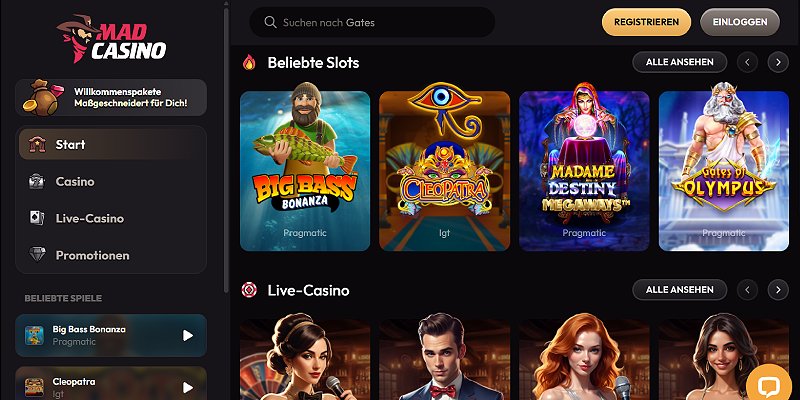
Start by setting a loss limit before you even log in—treat it like a non-negotiable entry fee, not a suggestion. Split your total session budget into smaller units, and only wager 1–2% of that per spin or hand; this keeps you playing through variance instead of blowing it on a tilt streak. Always cash out a portion of any win above your starting bankroll—that’s your profit locked away, not fuel for bigger bets. Take breaks every 30 minutes to reassess your mood; chasing losses is the fastest way to empty your balance. Bankroll management is about surviving the swings, not predicting them. Q: What’s the single best way to maximize enjoyment? A: Treat your deposit as spent, so any return feels like a bonus, and quit while you’re still having fun.
Setting Loss Limits and Win Goals Before You Start Playing
Before you even click “spin” or “deal,” decide on your numbers. Set a strict loss limit—an amount you’re totally okay losing—and treat it like a hard stop, not a suggestion. Equally important, pick a win goal that’s realistic, like 20% above your starting bankroll. The trick is to walk away once you hit it, because chasing a bigger payout usually gives back your profits. best crypto casinos By locking these boundaries in beforehand, you’re turning play into a controlled session, not an emotional rollercoaster. This simple pre-game ritual keeps your bankroll healthy and your fun intact, no matter what the reels do.
Using Betting Systems Safely: Martingale, Paroli, and Flat Betting Explained
When you’re trying out systems like the Martingale, Paroli, or flat betting, the real trick is keeping them boring. The Martingale—doubling after a loss—can feel powerful, but it’s a rocket that crashes fast if you hit a cold streak, so always cap your base bet and know your table limit. Paroli, riding wins in threes, is friendlier, but you must bank your original stake mentally to avoid giving back profits. Flat betting, the unsung hero, keeps your heart rate steady and your bankroll predictable. For any of these, set a session loss limit before you click “spin,” and treat the system as a fun framework, not a money-making guarantee.
Leveraging Loyalty Programs, Cashback Offers, and Reload Bonuses to Extend Playtime
Smart players treat bonus-hunting as bankroll discipline, not just a perk. Instead of depositing once, stagger your reload bonuses across the week to spread your risk and keep funds active daily. Prioritize cashback offers that refund a percentage of net losses—this creates a safety net that lets you play longer after a bad streak. Meanwhile, loyalty tiers reward consistent volume with free spins, comp points, or exclusive tournament entries that effectively add free play sessions to your balance. Always read wagering requirements first, then stack these promotions to turn a small deposit into hours of entertainment without dipping into your core bankroll.

- Schedule reload deposits to match bonus windows, not your urge to play
- Use cashback to cover losses on volatile games, extending your session
- Convert loyalty points into bet credits for low-stakes exploration
- Avoid chasing tier upgrades—let comp earnings come naturally
Common Pitfalls to Avoid and Frequently Asked Questions Answered
The most common pitfall in online gambling is chasing losses, a behavior that escalates bets to recover deficits and often leads to bigger losses. Avoid this by setting a strict, pre-determined budget and treating it as an entertainment cost. When asked, “What is the safest game?” the answer is any game with a low house edge, like blackjack, provided you know basic strategy. Another frequent question: “Should I use a bonus?” Only accept bonuses with transparent wagering requirements, as hidden rollover terms are a classic trap. Finally, never gamble under the influence or when emotional. Manage your bankroll strictly and understand the game’s rules fully—these are your best defenses against the most avoidable errors.
How to Spot Unfair Games, Rigged RNGs, and Unreasonable Withdrawal Policies
To spot unfair games, first examine the published Return-to-Player (RTP) percentage; reputable slots display this, and a rate below 90% is a red flag. For rigged RNGs, seek out games that provide certificates from independent testing agencies, and observe if big wins consistently occur at the lowest bet multipliers. Unreasonable withdrawal policies are often hidden in the fine print: watch for absurdly high wagering requirements on bonuses, or maximum cashout limits that dwarf your deposit. Also, be wary of casinos that demand excessive document verification repeatedly for small payouts, or that impose exorbitant processing fees. A sudden, unannounced change to terms before your withdrawal is a clear warning sign.
Always verify RTP, look for third-party RNG certificates, and read bonus terms twice to avoid traps and unfair cashout limitations.
What to Do When You’re on a Losing Streak: Emotional Control and Cool-Down Tactics
A losing streak is a test of discipline, not luck. Immediately stop playing and step away from the screen to interrupt the emotional spiral. Breathe deeply for two minutes to lower your heart rate, then write down the loss amount to accept it as a sunk cost. Reject the urge to chase, as this only compounds damage. Emotional detachment is your primary cool-down tactic, so set a hard time limit—like 24 hours—before you consider another session. Viewing the streak as a predetermined sample of variance, rather than a personal failure, helps restore rational perspective. Review your session logs later to identify trigger points, and only return with a fresh bankroll and a pre-set loss cap.
Can You Really Win Consistently? Realistic Expectations for Online Wagering
Let’s be real: consistent online wagering profits are a myth for the vast majority of players. The house edge is baked into every bet, so over a long session, the math always catches up. You might hit a hot streak, but that’s variance, not skill—treating a lucky run as a steady income is a classic pitfall. Even if you master a game like poker or blackjack, your edge is razor-thin and demands relentless discipline. Instead, aim for sustainable entertainment, where realistic expectations mean budgeting for losses and celebrating small wins as bonuses, not paychecks. If you expect to grind out reliable earnings, you’ll chase losses and gamble more than you can afford. The only dependable win? Enjoying the experience without fooling yourself.
