The Allure of Casino Games
The appeal of casino games is deeply rooted in a complex interplay of psychological factors that draw players into the gaming experience. The thrill of risking money creates an adrenaline rush that many find intoxicating. This excitement acts as a significant motivator, as players seek both entertainment and the potential for substantial winnings. Many enjoy the convenience of engaging with a fast withdrawal online casino canada from the comfort of their homes, which enhances the atmosphere, making it difficult for individuals to resist the allure of various games.
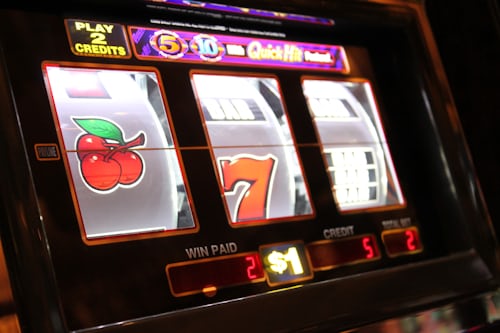
Casino games are designed with meticulous attention to psychological triggers. For instance, slot machines often feature themes that evoke nostalgia or fantasy, which can captivate players and enhance their gaming experience. The use of variable rewards in these games—where players win occasionally—stimulates the brain’s reward centers. This cycle of anticipation and reward can lead to prolonged gaming sessions, as players find it difficult to walk away from the excitement of possibly hitting the jackpot.
Moreover, personal identity plays a significant role in game choice. Players often gravitate toward games that resonate with their personalities or social status. For example, high-stakes games may attract players who thrive on risk and display financial confidence, while casual players might prefer straightforward games that offer relaxation and minimal stress. Understanding this allure is essential in comprehending why individuals are drawn to different types of casino games, as it reflects their personal preferences and values.
The Role of Cognitive Biases
The choices individuals make when selecting casino games are significantly influenced by cognitive biases. One prevalent bias is the “gambler’s fallacy,” where players mistakenly believe that past outcomes will influence future results. For instance, if a particular slot machine hasn’t paid out recently, a player may convince themselves that it is “due” for a win. This flawed reasoning can lead to increased gambling time and financial investment as individuals chase perceived patterns that do not exist.
Another important bias is the “illusion of control,” where players believe they can influence outcomes in games that rely solely on chance. This is particularly observable in skill-based games, such as poker, where players feel their strategic decisions can significantly alter the results. Such beliefs can foster overconfidence, prompting players to engage in riskier behaviors, which may result in larger bets and extended play sessions. Recognizing these cognitive biases is essential for players aiming to make informed choices that help minimize their losses.
Additionally, the “near-miss effect” can sway game selection. This phenomenon occurs when players come close to winning, heightening their motivation to continue playing. For example, if a player nearly hits a jackpot on a slot machine, the emotional response can spur a desire to keep trying. Casinos often exploit this effect by designing games that incorporate near-miss scenarios, effectively keeping players engaged even when they do not win. Understanding these cognitive biases provides valuable insight into the decision-making processes behind game choices.
Emotional Connections and Social Influences
The emotional aspect of gambling is a powerful force that significantly shapes game choices. Many players develop associations between specific games and personal memories or experiences, enhancing their enjoyment. For instance, someone who played blackjack with friends during college days may prefer this game over others, as it evokes fond memories. This emotional connection can create a strong bond with particular games, influencing players’ choices even when better odds may be available elsewhere.
Social influences play a crucial role in shaping game preferences as well. Players are often drawn to games that are popular within their social circles or that friends recommend. The desire to fit in or enjoy shared experiences can lead individuals toward specific games, even if they don’t align with their preferences. Group dynamics can foster a communal atmosphere that amplifies the enjoyment of gaming, making it more about the experience shared with others than the game itself.
Furthermore, promotional offers and social media can impact how players choose games. The rise of live dealer games, for example, has emerged partly due to the social interaction they provide; players appreciate the feeling of being in a casino environment from the comfort of their homes while engaging with a real dealer. By capitalizing on these social elements through marketing strategies, casinos tap into the emotional triggers that encourage individuals to play and connect with their chosen games.
The Impact of Game Design
The design of casino games significantly influences player choices, determined by a blend of aesthetics, mechanics, and overall user experience. Developers invest considerable effort into creating visually engaging games that captivate players. For instance, vibrant graphics, thematic storytelling, and immersive sound effects can greatly affect a player’s decision to engage with a particular game. This sensory appeal is vital, as it draws players into an experience they perceive as entertaining and enjoyable.
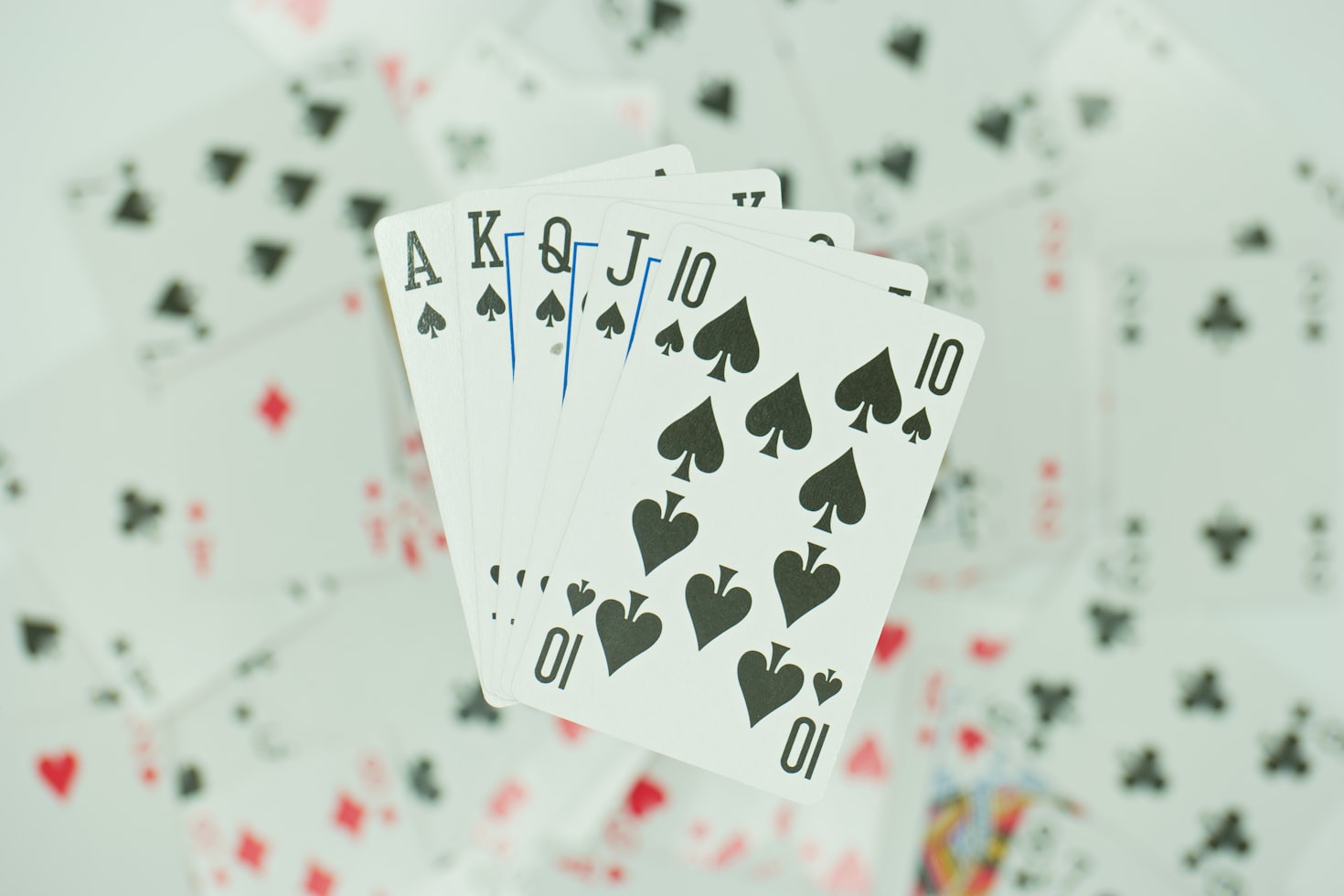
Additionally, the mechanics of the games—such as pay tables, bonus features, and interactivity—affect player engagement. Games offering multiple winning opportunities or incorporating skill elements tend to attract players who enjoy a strategic approach. For example, poker and blackjack are preferred by those who believe their skills can influence the outcomes, fostering a sense of agency in their gaming experience. This engagement is a key factor in why certain games become favorites among players.
Feedback systems, including notifications of winnings or progress indicators, also enhance player involvement. Many games implement features that reward players for participation, such as loyalty points or free spins, encouraging them to return. These design elements cater to the psychological need for achievement and recognition, reinforcing the connection between emotional satisfaction and game choice. As casinos continue to innovate, understanding the psychological implications of game design will remain crucial for both players and developers alike.
Our Website and Resources
Our website is dedicated to providing comprehensive information about casino games, aiming to enhance your understanding and enjoyment of the gaming experience. We meticulously design our platform to equip players with insights into game mechanics, strategies, and the psychological factors influencing gambling behavior. Through well-researched articles, expert opinions, and practical tips, we strive to foster informed decision-making among players, ensuring that they have the tools necessary to navigate the gaming landscape effectively.
Moreover, we acknowledge the importance of responsible gaming and offer resources to promote safe gambling practices. Our commitment includes providing insightful information on recognizing gambling addiction and accessing support services, ensuring that our users enjoy a balanced approach to entertainment. We firmly believe that awareness is vital, and our resources reflect our dedication to fostering a safe gaming environment that prioritizes player well-being.
As you explore our website, you will find a wealth of information tailored to both novices and seasoned players. Whether you’re looking to deepen your understanding of game psychology or seeking tips for improving your strategy, our extensive database is designed to meet your needs. Join us in exploring the dynamic world of casino gaming while making informed and responsible choices that enhance your experience and enjoyment.